


 English
 Español
 Portugues
 Pусский
 Français

合金铸件
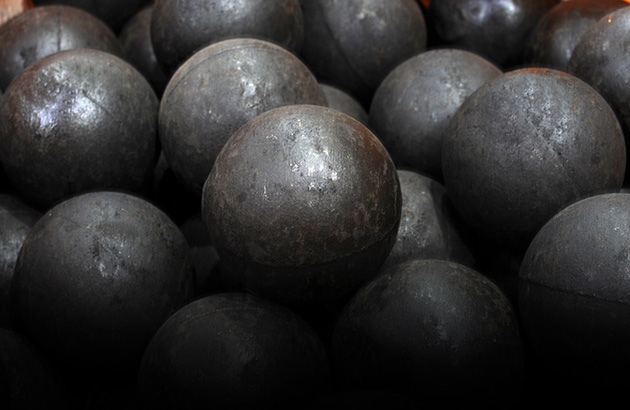
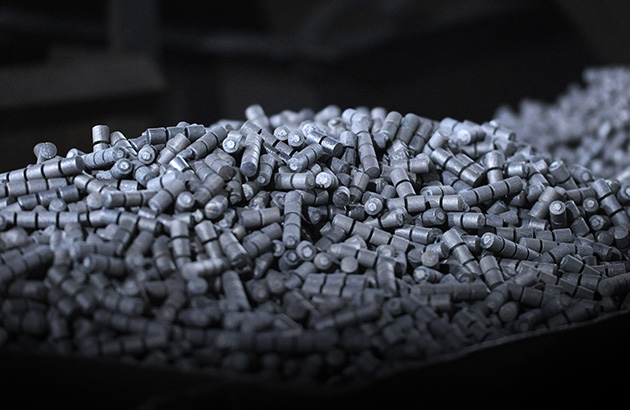
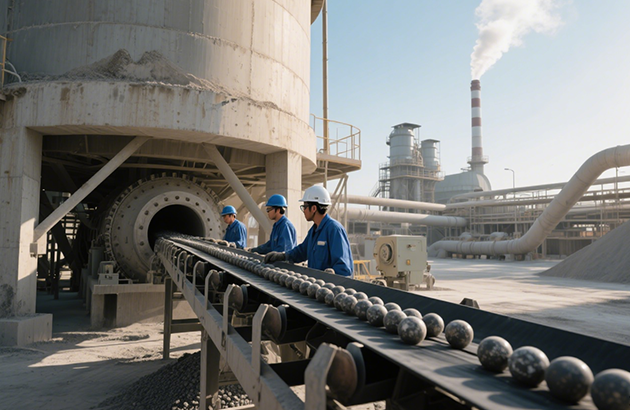
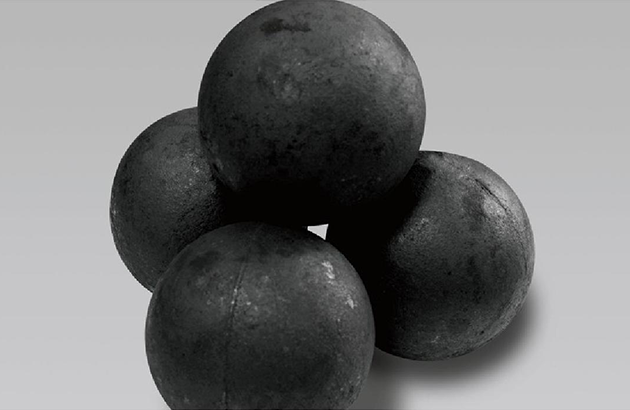
Alloy castings are a fundamental component in various industries, leveraging the unique properties of metallic alloys to produce parts with superior strength, durability, and performance. The process of alloy casting involves melting specific combinations of metals and other elements to create a material that exhibits enhanced characteristics compared to pure metals. These castings are widely used in sectors such as automotive, aerospace, construction, and machinery due to their ability to withstand extreme conditions, resist corrosion, and provide lightweight yet robust solutions.The alloy casting process begins with the selection of appropriate materials, which typically include base metals like aluminum, iron, or copper, combined with alloying elements such as silicon, magnesium, or zinc. These mixtures are carefully designed to achieve desired mechanical, thermal, or chemical properties. Once the alloy is formulated, it is melted in a furnace at high temperatures and then poured into molds. The molds can be made from sand, metal, or ceramic, depending on the complexity and precision required for the final product.One of the key advantages of alloy castings is their versatility. They can be tailored to meet specific application needs, whether it’s high strength for structural components, thermal conductivity for heat exchangers, or wear resistance for machinery parts. Additionally, alloy castings can be produced in a wide range of shapes and sizes, from small intricate components to large industrial parts, making them suitable for diverse applications.The benefits of alloy castings extend beyond their mechanical properties. They are often more cost-effective than other manufacturing methods, especially for large-scale production, due to the efficiency of the casting process and the recyclability of materials. Furthermore, advancements in casting technologies, such as computer-aided design (CAD) and simulation software, have improved the precision and quality of alloy castings, reducing defects and enhancing performance.Despite their advantages, alloy castings do present some challenges. The process requires precise control of temperature, cooling rates, and mold design to avoid issues like porosity, shrinkage, or cracking. Additionally, certain alloys may be more difficult to work with due to their high melting points or reactivity. However, ongoing research and innovation in materials science and casting techniques continue to address these challenges, expanding the possibilities for alloy castings.In conclusion, alloy castings play a critical role in modern manufacturing, offering a combination of strength, durability, and versatility that meets the demands of various industries. Their ability to be customized for specific applications, coupled with advancements in casting technology, ensures their continued relevance and importance in engineering and production. As industries evolve and new materials are developed, alloy castings will remain a cornerstone of innovation and efficiency.
产品
分类:
暂无搜索结果!
新闻
分类:
暂无搜索结果!
案例
分类:
暂无搜索结果!
视频
分类:
暂无搜索结果!
下载
分类:
暂无搜索结果!
招聘
分类:
暂无搜索结果!
推荐产品
暂无搜索结果!



 电话