

 English
 Español
 Portugues
 Pусский
 Français

铸造和锻造组件
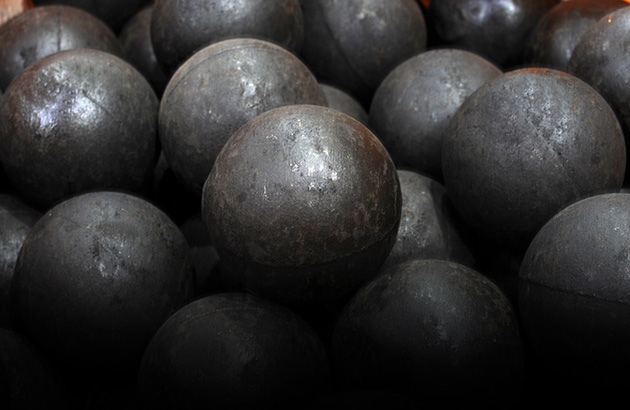
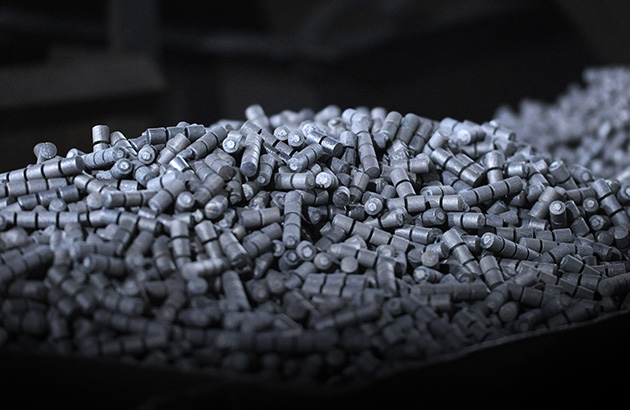
Casting and forging are two fundamental manufacturing processes used to create metal components with distinct properties and applications. Both methods involve shaping metal into desired forms, but they differ significantly in their techniques, advantages, and limitations.Casting is a process where molten metal is poured into a mold that contains a cavity of the desired shape. Once the metal cools and solidifies, the mold is removed, leaving behind the final component. Casting is particularly suitable for producing complex geometries and intricate designs that would be difficult or impossible to achieve through other methods. Common casting techniques include sand casting, die casting, and investment casting. Sand casting is versatile and cost-effective for large or custom parts, while die casting is ideal for high-volume production of components with precise dimensions. Investment casting, also known as lost-wax casting, is used for creating highly detailed and accurate parts, often in aerospace and medical industries.One of the primary advantages of casting is its ability to produce near-net-shape components, minimizing the need for additional machining. It is also cost-effective for large-scale production and can be used with a wide range of metals, including aluminum, iron, steel, and alloys. However, casting can sometimes result in defects such as porosity, shrinkage, or inclusions, which may affect the component's strength and durability.Forging, on the other hand, involves shaping metal by applying compressive forces, typically using hammers, presses, or dies. Forging can be performed at high temperatures (hot forging) or at room temperature (cold forging), depending on the material and desired properties. The process aligns the metal's grain structure, enhancing its strength, toughness, and resistance to fatigue. Forged components are widely used in applications where reliability and durability are critical, such as automotive, aerospace, and heavy machinery industries.Forging offers several advantages, including superior mechanical properties, reduced material waste, and the ability to produce components with high precision. Hot forging is particularly effective for large or complex parts, while cold forging is ideal for smaller, high-strength components. However, forging is generally more expensive than casting due to the higher energy and equipment requirements. It is also less suitable for producing intricate shapes or thin-walled parts.Both casting and forging have their unique strengths and are chosen based on the specific requirements of the component being produced. Casting excels in creating complex shapes and cost-effective mass production, while forging is preferred for components that demand exceptional strength and durability. Understanding the differences between these processes allows manufacturers to select the most appropriate method for their needs, ensuring optimal performance and efficiency in the final product.
产品
分类:
暂无搜索结果!
新闻
分类:
暂无搜索结果!
案例
分类:
暂无搜索结果!
视频
分类:
暂无搜索结果!
下载
分类:
暂无搜索结果!
招聘
分类:
暂无搜索结果!
推荐产品
暂无搜索结果!



 电话